
Christmas Planning / 9 min / Updated 2026-06-14
How to Plan a Christmas Wreath, Garland and Swag Collection
A step-by-step method to plan a coordinated wholesale Christmas wreath, garland and swag collection - design story, product mix, sizes, MOQ and lead time.
Short answer
A coordinated Christmas wreath, garland and swag collection is planned in five steps: define one design story, plan the product mix and sizes, build good-better-best price tiers, plan quantities and MOQ, then brief your supplier or develop from reference photos. Heron supports this with low per-style MOQ (many wreath and garland styles from around 100 pieces), in-house design and reference-photo development.
Anatomy of a wreath, garland and swag collection
These three forms cover the main Christmas display positions in retail and decor programs. A complete collection usually uses all three plus a few accents.
- Wreaths - doors, walls and windows; the visual hero
- Garlands - mantels, staircases and door frames; sold by length
- Swags and teardrops - a lighter door or wall option that pairs with wreaths
- Centerpieces, picks and sprays - tabletop focal pieces and accents that extend the range
Step 1 - Define your design story
Start with one clear look so every piece feels part of the same range. A shared palette and greenery base is what makes a collection read as coordinated on a shelf.
- Color palette - for example classic red and green, champagne and gold, or natural neutrals
- Greenery base - seeded cedar, fuzzy pine or magnolia carried across all forms
- Accents - berries, pinecones and ribbon in a consistent style
- Finish - a soft-touch, realistic feel keeps the collection premium
Step 2 - Plan the product mix and sizes
Decide which forms and sizes you need before requesting quotes. A simple range plan keeps the collection balanced and easier to merchandise.
- Wreaths - choose one or two diameters for door and wall use
- Garlands - choose lengths for mantels and staircases
- Swags and teardrops - add as a lighter companion to the wreaths
- Centerpieces and accents - one or two tabletop pieces plus coordinating picks and sprays
- Hero vs filler - a few statement pieces supported by lower-cost accents
Step 3 - Build good-better-best price tiers
Density, size and materials drive both cost and retail price. Planning tiers helps you cover different retail price points with one design story.
- Good - smaller, lighter density for entry price points
- Better - fuller density and richer accents for the core range
- Best - larger, premium statement pieces for the top of the range
Step 4 - Plan quantities, MOQ and assortment
Plan quantities per SKU against MOQ so the collection is feasible to produce. Sampling first reduces risk before committing to the full order.
- MOQ guide - many wreath and garland styles start at around 100 pieces per style, swags and teardrops at around 150, and picks, stems and bundles at around 180 pieces; final MOQ is confirmed per style and order mix
- Split across SKUs - balance hero and filler quantities to hit your budget
- Sample first - confirm color, density and packing on a sample before the full run (sampling about 7-14 days)
Step 5 - Brief the supplier or develop from reference photos
Give your supplier enough to quote and produce accurately, or develop new pieces from references. Heron develops from buyer reference photos and can arrange exclusive development, confirmed per inquiry.
- For existing styles - send the product links, target sizes, quantities and packing or label needs
- For new development - share a clear reference image, target size and approximate quantity
- Customization - color, size, density, ribbon, berry and pinecone mix, packing and carton marks can be adjusted
- Exclusivity - exclusive development can be arranged, confirmed per inquiry
Christmas planning timeline and next step
Wholesale Christmas is planned almost a year ahead. Buyers research in July to October, place orders in September to November, and receive goods ahead of the next Christmas retail season. Because peak-season production can reach around 105 days, earlier planning protects your delivery date.
- July to October - research and sample
- September to November - confirm and order
- Following summer - goods delivered ahead of the next Christmas season
Frequently asked questions
What makes a complete Christmas wreath, garland and swag collection?
A complete collection covers doors and walls (wreaths and swags), mantels and staircases (garlands), and tabletops (centerpieces), all tied together by one design story and supported by coordinating picks and sprays.
How do I keep wreaths, garlands and swags visually matched?
Use one shared color palette and greenery base - for example seeded cedar, fuzzy pine or magnolia - and repeat the same berry, pinecone and ribbon accents across every form.
How are quantities and MOQ split across a multi-SKU Christmas collection?
Plan quantities per style against MOQ. At Heron, many wreath and garland styles start at around 100 pieces, swags and teardrops at around 150, and picks and bundles at around 180; final MOQ is confirmed per style and order mix.
Can Heron develop a Christmas collection from my reference photos?
Yes. Share a clear reference image, target size and approximate quantity, and Heron can develop from your references. Exclusive development can be arranged, confirmed per inquiry.
When should I plan and order a Christmas collection?
Research and sample in July to October, confirm and order in September to November, and expect delivery ahead of the next Christmas season. Order early, as peak-season lead times can reach around 105 days.
Related styles
Selected products from this guide
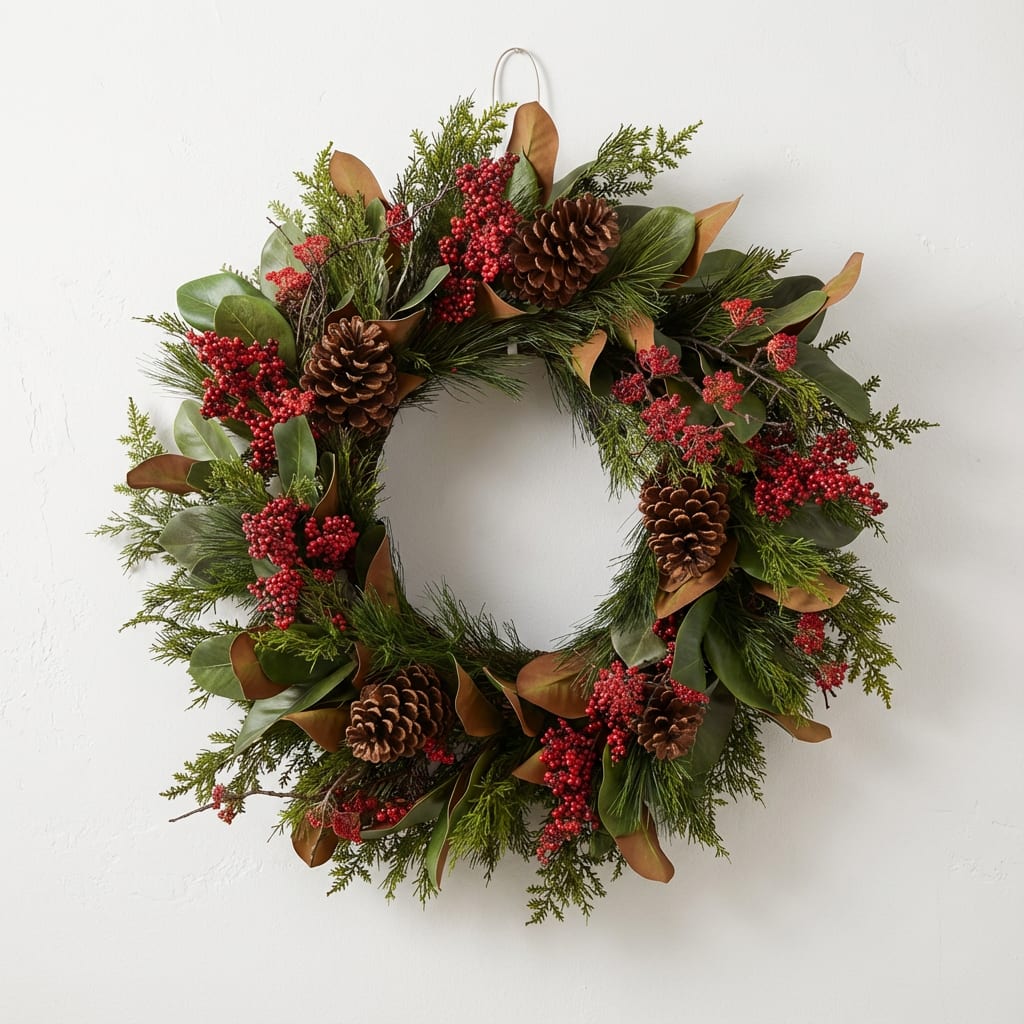
Christmas & Holiday
Magnolia Pinecone Christmas Wreath
A magnolia pinecone Christmas wreath for natural holiday door decor, retail displays and wholesale greenery programs.

Christmas & Holiday
Champagne Berry Pine Christmas Garland
A champagne berry pine Christmas garland for holiday mantel styling, retail displays and wholesale seasonal collections.
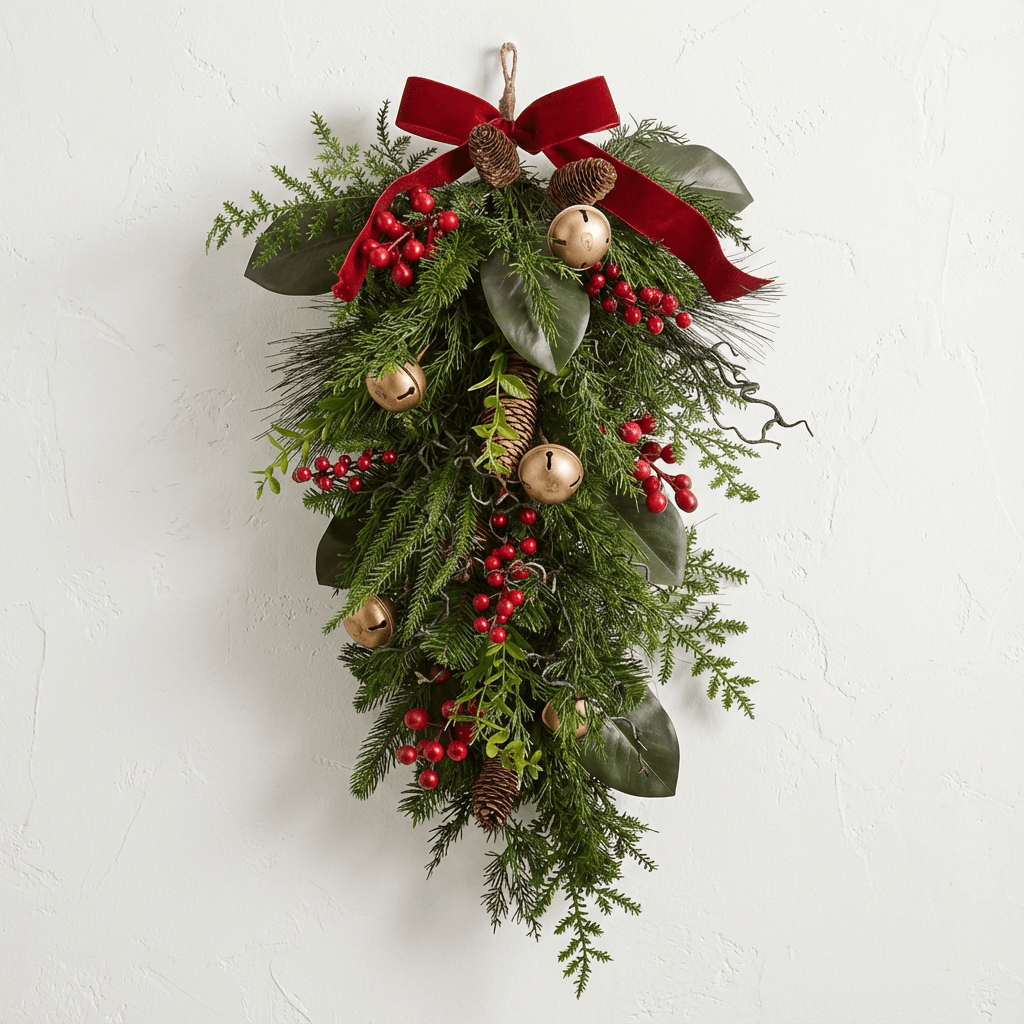
Christmas & Holiday
Magnolia Bell Christmas Teardrop Swag
A magnolia bell Christmas teardrop swag for natural holiday door decor, retail displays and wholesale programs.
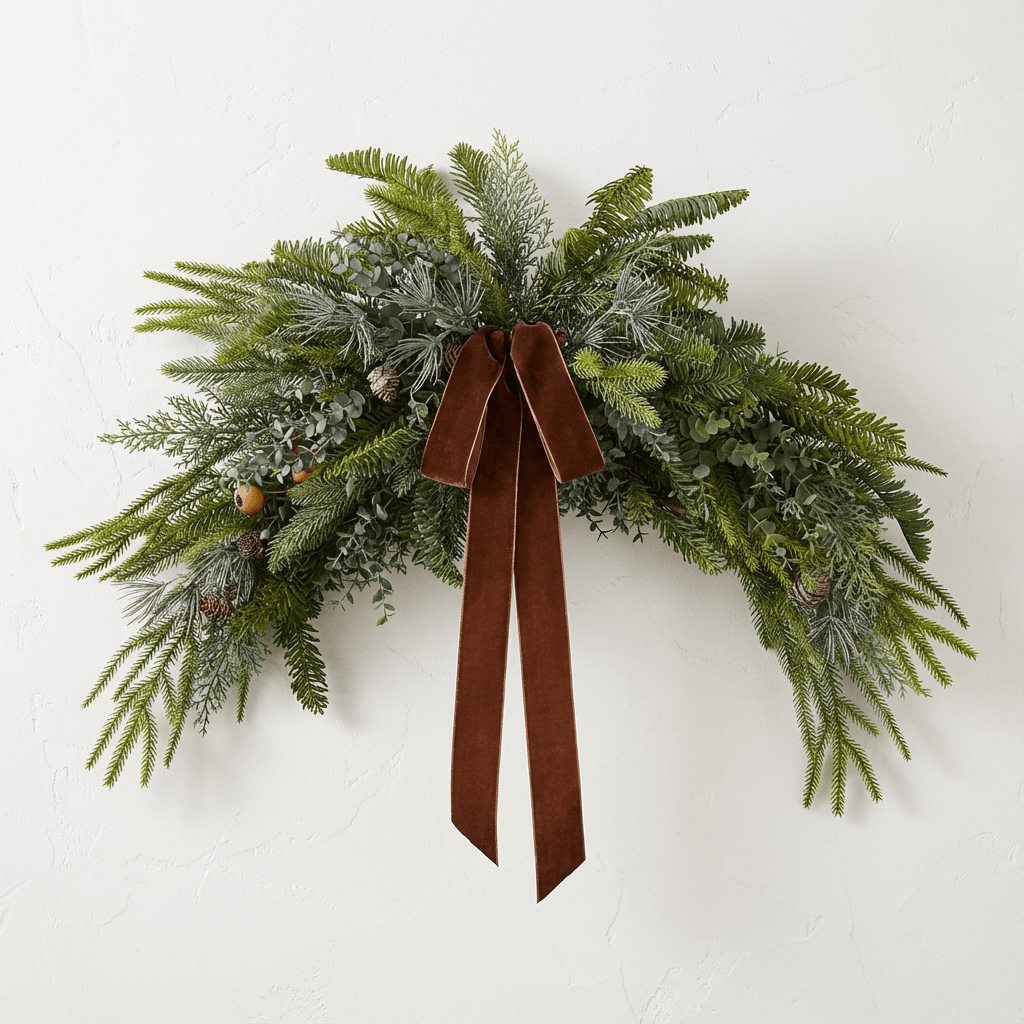
Christmas & Holiday
Champagne Berry Pine Bow Christmas Swag
A champagne berry pine bow Christmas swag for coordinated holiday wall decor, retail displays and wholesale programs.
Keep exploring
Buyer support pages
Practical buyer guides
Ready to discuss a sourcing need?
Send selected styles, target season, market and quantity range.
Heron can help review suitable public styles, related private showroom options, MOQ, packing, sample options and custom development direction.